
How to Clean & Care for a Refinished Bathtub (Do's & Don'ts)

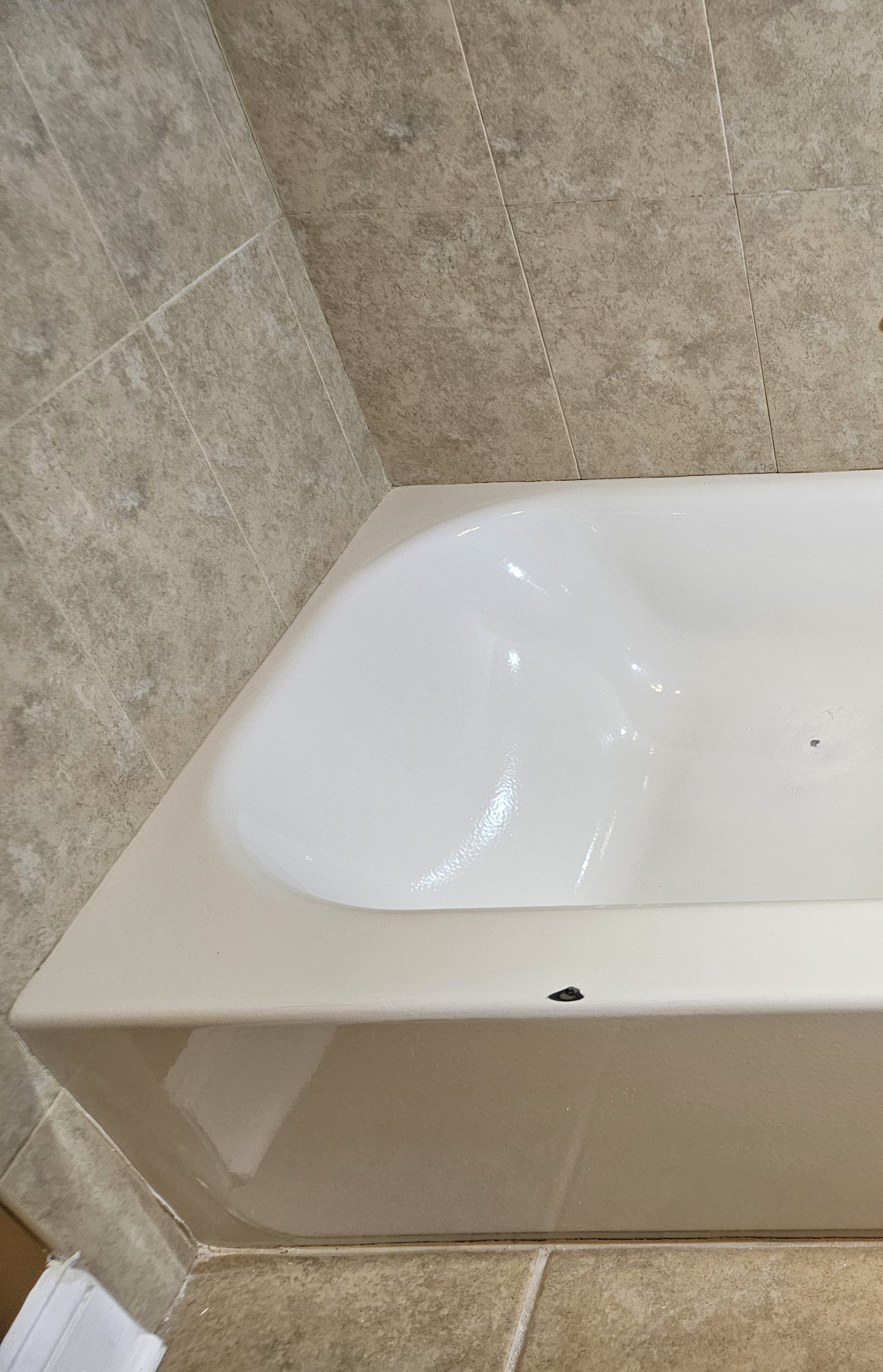
In short: to clean a refinished bathtub, wipe it down after each use and wash it weekly with a soft cloth or non-scratch sponge and a gentle, non-abrasive liquid cleaner such as dish soap. Skip abrasive powders, bleach, ammonia, and acidic products, and never use suction-cup bath mats. Treated gently, a quality reglaze finish stays glossy for 10 to 15 years.
A freshly refinished bathtub looks brand new, but that smooth, glossy coating is a bonded surface layer, not solid porcelain, so the way you clean it truly matters. Learning how to clean a refinished bathtub the right way is the single most important thing you can do to protect your investment and keep it looking new for a decade or more. At GlossyTub Refinishing in Bound Brook, we have reglazed thousands of tubs across Central New Jersey over the past 20+ years, and the customers whose finishes last the longest all follow the same simple habits. Here is the complete do's and don'ts guide.
Why a Refinished Tub Needs Different Care Than the Original
When we reglaze a tub, we bond a durable coating over the old porcelain, fiberglass, or acrylic. It is tough and built to last, but it is chemically different from the original factory surface. The harsh cleaners and heavy scrubbing that a worn-out old tub might have shrugged off can dull, scratch, or slowly eat away at a fresh finish.
Think of it like the clear coat on a car. The layer underneath stays protected as long as the top coat is intact, but once you scratch through it, moisture and grime work their way underneath and problems spread. Good refinished bathtub care is really just about protecting that top layer, and the good news is that it is easy. No special products and no expensive routines, just gentle habits.
The Best Cleaner for a Reglazed Tub
The best cleaner for a reglazed tub is the gentlest one that gets the job done. In most homes, that means a few drops of liquid dish soap on a wet sponge, or a non-abrasive liquid bathroom spray. If a product is safe for a nonstick pan or a car's finish, it is almost always safe for your reglaze.
Safe choices include liquid dish soap like Dawn, a pH-neutral non-abrasive bathroom spray, and mild all-purpose cleaners such as Simple Green. For occasional hard-water spots, you can use white vinegar diluted heavily (about one part vinegar to five parts water), but rinse it off right away and never let it sit on the surface.
To clean, spray or wipe the cleaner on, let it sit for a minute, wipe with a soft cloth or non-scratch sponge, and rinse. That is the entire routine. Central New Jersey has moderately hard water, so a quick rinse after cleaning goes a long way toward preventing mineral spots.
Your Everyday Cleaning Routine (The Do's)
Small daily habits are what keep a refinished tub looking new. Rinse and wipe the tub after each use, since a quick rinse and a pass with a soft towel or squeegee stops soap scum and hard-water minerals from building up in the first place.
Clean weekly with a soft, non-scratch sponge or a microfiber cloth, and use a bath mat only when you actually need one, choosing the right kind (more on that below). Fix dripping faucets promptly, because a constant drip leaves mineral trails and can wear a spot over time.
Keep the bathroom well ventilated so everything dries between uses, which also discourages mildew from forming at the edges and along the caulk lines. None of this takes more than a minute or two, but together these habits add years to your finish.
The Don'ts: What Ruins a Refinished Finish
This is the most important list in the article. Nearly every prematurely worn finish we are called to repair traces back to one of these mistakes. First, never use abrasive cleaners. Skip Comet, Ajax, Bar Keepers Friend, and any gritty powder or soft-scrub product, because they micro-scratch the surface and dull the gloss quickly.
Never use abrasive tools either. Steel wool, Magic Erasers (which are a fine abrasive), green scouring pads, and pumice stones all damage the coating. Avoid harsh chemicals too, including bleach, ammonia, acetone, paint thinner, and acidic drain cleaners. Keep nail-polish remover and acne products containing benzoyl peroxide off the surface, since they can stain or etch it.
The single biggest culprit we see is the suction-cup bath mat. Those suction cups trap water and cleaning residue against the finish, and the suction itself can pull the coating loose, leaving rings, dull spots, or peeling. Use a non-suction mat instead and hang it up to dry between uses.
Finally, do not leave standing water, wet bottles, or metal cans sitting in the tub. Shampoo bottles and shaving-cream cans can leave rust rings or slowly dissolve the gloss where they sit. And while a dropped shampoo bottle is harmless, dropping something heavy or sharp, like a cast-iron pan or a loose tile, can chip the finish.
Weekly and Monthly Refinished Bathtub Maintenance
Beyond daily wiping, a light rhythm keeps everything easy. Each week, wipe the tub down with your gentle cleaner and a soft sponge, and glance at the caulk lines and drain area for early soap buildup so you can catch it before it hardens.
Once a month, look over the finish in good light, treat any hard-water spots quickly with diluted vinegar, and inspect the caulk around the tub. Cracked or moldy caulk lets water seep behind the tub, which is a far bigger problem than any cleaning issue, and re-caulking is cheap insurance. That is all refinished bathtub maintenance really is: about five minutes of attention, not a chore.
How Soon Can You Use the Tub After Refinishing?
Right after refinishing, the new coating needs time to fully cure and harden. Always follow the exact cure time your refinisher gives you. With GlossyTub, we tell every customer precisely when their tub is ready to use again, and rushing that window is one of the few ways to damage a brand-new finish.
As a general guide, most tubs are safe to use again in about 24 to 48 hours, though full hardness can take a few days. During that period, keep the tub completely dry with no water and no cleaning, do not set anything on the surface, and wait until the cure time has passed before reattaching bath mats, caddies, or fixtures. When in doubt, wait a little longer.
Signs Your Finish Needs a Pro (and Typical NJ Costs)
A well-cared-for reglaze typically lasts 10 to 15 years. It is time to call a professional when you notice dullness that will not clean up, small chips or peeling (often near the drain or where a suction mat once sat), stains you cannot remove, or a rough, gritty feel to the surface. A small isolated chip can sometimes be spot-repaired, while a fully worn finish is best re-refinished for an even result.
As a rough guide, professional bathtub refinishing in New Jersey typically runs somewhere in the range of about $350 to $650 for a standard tub, with chip or spot repairs often costing less. These are estimates only, not a quote, since the real price depends on the tub's size, material, and condition. For an exact figure, call or text a photo to (732) 595-2608 and we will give you a free estimate.
Keeping Refinished Tile and Sinks Looking New, Too
The same rules protect refinished tile surrounds and sinks: gentle liquid cleaners, soft cloths, no abrasives, and prompt drying. For refinished tile, wipe the walls after showers to fight soap scum, and keep grout lines clean with a soft brush and a mild cleaner.
For a refinished sink, avoid dropping heavy pots and do not leave acidic foods, coffee, or standing dishwater sitting in the basin. One honest note: we proudly stand behind our tub refinishing, but we do not offer a warranty on sink refinishing, simply because sinks take far more daily abuse. Whether it is a single home in Somerset County or a block of hotel bathrooms in Middlesex, the care is the same, and gentle always wins.
For more than 20 years, GlossyTub Refinishing has helped homeowners, landlords, and hotels across Somerset, Middlesex, Union, and Monmouth counties get years of extra life out of their tubs, tile, and sinks. Whether you have a tub that has seen better days or a fresh reglaze you want to protect, call or text a photo to (732) 595-2608 for a free estimate.
Frequently Asked Questions
Can I use Clorox or bleach wipes on a refinished bathtub?
No. Bleach and bleach wipes are too harsh for a reglazed surface and can dull or discolor the finish over time, especially with repeated use. For everyday cleaning, plain soap and water or a gentle non-abrasive spray handles the job. If you ever need to sanitize, a heavily diluted solution used briefly and rinsed off immediately is much safer than wiping bleach directly onto the finish.
What is the best cleaner for a reglazed tub?
A few drops of liquid dish soap on a soft, non-scratch sponge is the best everyday cleaner for a reglazed tub, because it is effective and completely non-abrasive. If you prefer a store-bought product, choose a pH-neutral, non-abrasive bathroom spray. Avoid any powder, soft-scrub, or product that advertises heavy-duty scrubbing power.
Why can't I use a suction-cup bath mat on a refinished tub?
Suction-cup mats trap water and cleaning residue against the finish, and the suction itself can pull the coating loose, leaving rings, dull patches, or peeling. It is one of the most common causes of early finish damage we see in the field. Use a non-suction mat instead, and hang it up to dry between uses so nothing sits pressed against the surface.
How long does a refinished bathtub finish last?
With gentle care, a quality refinishing job typically lasts 10 to 15 years. The tubs that last longest are the ones cleaned with mild products and soft sponges, kept free of suction mats, and re-caulked whenever the caulk starts to crack. Harsh cleaners and abrasive pads are what cut that lifespan short.
Can a refinished tub be repaired if it chips, or does it need to be redone?
It depends on the damage. A small, isolated chip can often be spot-repaired, while a finish that is peeling, dull, or worn across large areas is usually best fully re-refinished for a clean, even result. If you are not sure which you need, send us a photo and we will tell you honestly. Call or text a photo to (732) 595-2608 for a free estimate.
Comments