
Fiberglass, Cast-Iron or Acrylic — Can Every Tub Be Refinished?

In short: Yes — nearly every common bathtub can be refinished. Cast iron bathtub refinishing, fiberglass bathtub refinishing and acrylic tub refinishing are all standard work; the material only changes the prep and primer a pro uses, not whether the job is possible. The one real requirement is a structurally sound tub — no rot, no crumbling substrate, no holes. At GlossyTub in Bound Brook, NJ, we've refinished all of these for 20+ years.
Quick answer by tub material
Homeowners across Somerset, Middlesex, Union and Monmouth counties call us with every kind of tub. Here's the honest, material-by-material rundown of what refinishes well:
Cast iron — the strongest candidate. Heavy, rigid and holds a new finish beautifully.
Porcelain-on-steel — excellent. The same porcelain surface as cast iron, just lighter.
Fiberglass — yes. It needs the right adhesion prep, but refinishes well.
Acrylic — yes. A stubborn myth says you can't; you can, with the correct bonding primer.
Cultured marble — usually yes, including tubs, surrounds and vanity tops.
Rotted or cracked-through tubs — this is the one real exception. See the section below.
So, can every tub be refinished? For the vast majority of tubs in NJ homes and hotels, the answer is yes. Let's go material by material.
Cast iron bathtub refinishing: the strongest candidate
If you have an original cast iron tub — the classic heavy clawfoot or built-in tub common in older Central NJ homes from Plainfield to Bound Brook — you have the best possible candidate for refinishing. Cast iron bathtub refinishing has been the bread-and-butter of this trade for decades.
Cast iron is rigid and doesn't flex, so a bonded coating sits still and cures hard without micro-cracking. The original surface is porcelain enamel, which — once properly etched and primed — grips a new finish extremely well and stays glossy for years.
These tubs are also the ones most worth saving. A vintage cast iron tub can weigh 300-500 pounds, so ripping one out means demolition, disposal, new plumbing and sometimes a doorway that won't fit a modern replacement. Refinishing keeps the tub you already have and skips all of that. We're building a dedicated cast iron refinishing page — if that's your tub, call or text a photo to (732) 595-2608 for a free estimate.
Fiberglass bathtub refinishing: can you refinish a fiberglass tub?
Yes, you can refinish a fiberglass tub — this is one of the most common questions we hear, and the answer is a clear yes. Fiberglass bathtub refinishing is completely standard work.
Fiberglass and fiberglass-gelcoat tubs and tub-shower units are everywhere in NJ homes and apartments built from the 1970s onward. Over time the gelcoat dulls, stains and develops that chalky, hard-to-clean feel. Refinishing restores a smooth, glossy surface without replacing the one-piece unit — which often can't come out the bathroom door in one piece anyway.
The key with fiberglass is adhesion. The surface must be cleaned, de-glossed and primed with a bonding primer made for plastic-type substrates. Skip that and the coating peels — which is exactly why a DIY spray-can job on fiberglass so often fails. One thing we check during the free estimate: soft spots. If the tub floor flexes underfoot, the substrate may be delaminating, and a coating won't hold over a flexing floor.
Acrylic tub refinishing and the 'you can't refinish plastic' myth
Acrylic tub refinishing is absolutely possible, despite the stubborn myth that you can't refinish plastic. You can — the trick, again, is the right bonding primer and prep for a smooth, non-porous plastic surface.
Acrylic tubs are lightweight, warm to the touch and common in newer builds and remodels across Middlesex and Monmouth counties. When they scratch, stain, or you simply hate the color — hello, almond and bone tubs — refinishing is a fast way to get a clean white, or another color, with no tear-out. Because acrylic is non-porous, surface preparation is everything: a reputable refinisher scuffs and chemically preps the tub so the new coating truly bonds instead of just sitting on top.
Steel, porcelain and the in-between tubs
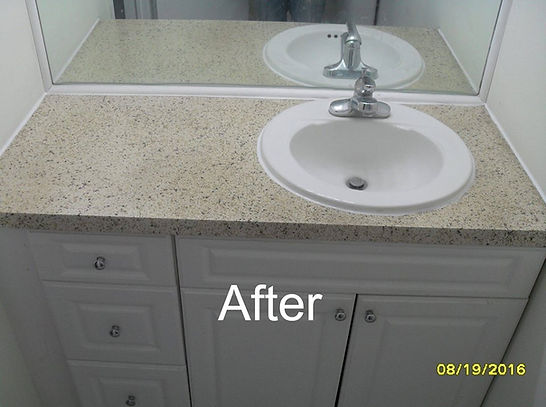
A few other tub types round out the list. Porcelain-on-steel is a stamped-steel tub with a baked porcelain surface — lighter than cast iron and sometimes slightly flexible, but the porcelain refinishes just like cast iron. Antique porcelain and vitreous-china tubs and sinks refinish well once worn or etched areas are prepped. Cultured or cast-marble tubs, shower pans, surrounds and vanity tops can be refinished to hide stains, burns and dated colors.
The through-line is simple: almost any hard bathroom surface — tub, tile, sink or surround — can be refinished if it's solid. The material dictates the primer, not the possibility.
When a tub can't — or shouldn't — be refinished
Honesty matters, so here are the cases where we'll tell you refinishing isn't the right call: structural rot or a soft, spongy floor that flexes when you stand on it; rust that has eaten completely through a steel tub, leaving actual holes; large sections of missing material or cracks that go all the way through the shell; or a tub that moves in its frame, which is a mounting problem a coating can't fix.
The good news is that small chips, surface rust spots, hairline cracks and worn glaze are all normal and fully repairable. It's only the 'you could push a finger through it' damage that means replace, not refinish. During a free estimate we'll tell you straight which camp your tub is in.
How your tub's material changes the process
The steps are similar across materials, but the details differ. We clean and strip old caulk, coatings and oils; repair chips, rust and cracks and sand them smooth; then etch or scuff the surface — porcelain tubs (cast iron and steel) are usually acid-etched, while fiberglass and acrylic are de-glossed and chemically prepped. Next comes the primer, matched to the material, followed by several thin topcoats sprayed for a smooth, even finish, and finally the cure time before the tub is used again.
That's why 'what is my tub made of?' is the first question a good refinisher asks. Not sure yourself? Tap the side — cast iron feels dense and solid, while fiberglass and acrylic sound hollow and give slightly. Or hold a magnet to the wall: it sticks to cast iron and porcelain-on-steel, but not to fiberglass or acrylic. Still stuck? Text us a photo and we'll identify it for you.
What tub refinishing costs in Central NJ (estimates)
Every tub is different, so treat these as typical NJ ranges — estimates, not fixed quotes. In our area, standard bathtub refinishing often runs roughly $350-$650 for a tub in good shape. Extra repairs (rust-through spots, chip and crack fills, a slip-resistant bottom) can add to that, tile or surround refinishing is usually priced separately or bundled, and sinks are typically less than a tub.
Material plays only a small role — a heavily damaged fiberglass unit needing extra bonding work can run a little higher — but the biggest cost drivers are size, condition and repairs, not the material itself. Refinishing almost always lands well under the cost of replacing a tub and re-tiling, and it's typically a one-day job with far less mess. We back our tub and tile refinishing with a warranty (sinks are not warrantied). For an exact figure, call or text a photo to (732) 595-2608 for a free estimate.
Frequently Asked Questions
Can you refinish a fiberglass tub, or only cast iron?
Both. Fiberglass bathtub refinishing and cast iron bathtub refinishing are both standard work. The difference is the prep: fiberglass and acrylic need a bonding primer made for non-porous plastic surfaces, while cast iron and steel get an acid-etch and an adhesion primer. Done correctly, all of them hold a durable, glossy finish.
How can I tell whether my tub is cast iron, steel, fiberglass or acrylic?
Two quick tests. Tap the side — cast iron feels dense and solid and won't flex, while fiberglass and acrylic feel lighter and give a little. Then hold a magnet against the wall of the tub: it sticks to cast iron and porcelain-on-steel but not to fiberglass or acrylic. If you're still unsure, text a photo to (732) 595-2608 and we'll identify it for you.
Is there any tub you won't refinish?
Yes — if it's structurally unsound. A floor that flexes or feels spongy, rust that has gone through into actual holes, or cracks that run all the way through the shell mean the tub needs repair or replacement first. Chips, surface rust, hairline cracks and worn glaze, on the other hand, are all normal and fully refinishable.
How long does refinishing last, and does the material matter?
A professional refinish typically lasts many years with proper care — on cast iron, steel, fiberglass and acrylic alike. The material matters less than the prep and your daily care: avoid abrasive cleaners and harsh chemicals and the finish holds up well. GlossyTub warranties tub and tile refinishing (sinks excluded).
How much does it cost to refinish a tub in NJ?
As a typical estimate in Central New Jersey, a standard bathtub refinish often runs about $350-$650, with repairs, a slip-resistant bottom or tile work adding to that. These are ranges, not fixed quotes — size, condition and repairs drive the price more than the material. For an exact number, call or text a photo to (732) 595-2608 for a free estimate.
Comments