
Affordable Countertop Reglazing for Kitchens and Bathrooms with GlossyTub Refinishing

A worn countertop can make an otherwise clean kitchen or bathroom feel dated. Scratches catch the light. Stains never seem to lift. Old colors clash with newer cabinets, flooring, or fixtures. The good news is that a tired countertop does not always need to be torn out and replaced.
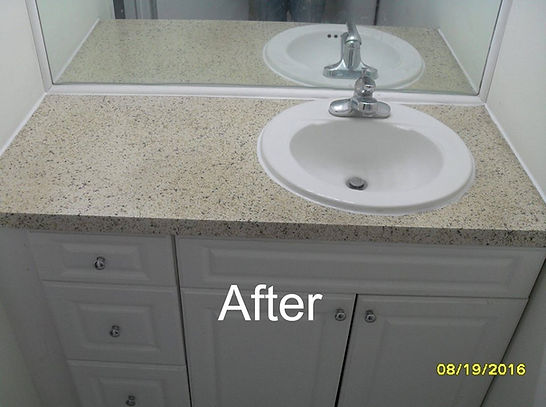
Countertop reglazing offers a practical middle path. It renews the existing surface with professional preparation, bonding, coating, and finishing, giving the room a cleaner, fresher look without the cost and mess of a full renovation. For many laminate and cultured marble surfaces, it can be one of the most affordable ways to transform a kitchen vanity, bathroom counter, laundry room surface, or built-in countertop.

Countertop reglazing gives old surfaces a second life
Countertop reglazing is a surface renewal process. Instead of removing the existing counter, a refinishing professional prepares the surface and applies durable coatings designed to bond to it. The result is a smooth, refreshed finish that can update the color, gloss, and overall appearance.
This is not the same as wiping on paint from a hardware store. Professional reglazing depends on careful prep work. The old surface must be cleaned, repaired, dulled, bonded, and coated in the right order. Skipping those steps can lead to peeling, bubbling, or uneven texture.
When done correctly, reglazing can help with common issues such as:
Dull or faded color
Minor scratches and surface wear
Stains that no longer clean up well
Outdated laminate patterns
Worn cultured marble vanities
A bathroom or kitchen that looks older than it feels
The biggest appeal is simple. The countertop stays in place, but the look changes dramatically. That makes reglazing a strong choice for homes where the layout still works, the cabinets are in good shape, and the main problem is the countertop surface itself.
Reglazing costs less than full countertop replacement
Full countertop replacement can quickly become more expensive than expected. The new slab or surface material is only one part of the cost. Removal, disposal, measuring, fabrication, installation, sink work, backsplash issues, plumbing adjustments, and possible cabinet repairs can all add to the final bill.
Countertop reglazing usually costs less because it works with what is already there. There is no need to purchase a whole new counter system. There is also less demolition and fewer related trades involved.
Full replacement often involves | Reglazing usually avoids |
Removing the existing countertop | Keeping the existing countertop in place |
Paying for new materials and fabrication | Renewing the current surface |
Possible plumbing or sink adjustments | Minimal disruption around sinks and fixtures |
Disposal of old materials | Less waste and cleanup |
Longer project timelines | Faster room refresh in many cases |
The savings become especially meaningful in bathrooms with long vanity tops or kitchens where a full replacement would involve several sections of counter. Even when a homeowner plans to remodel later, reglazing can extend the life of the current space and make it more enjoyable now.
For rental properties, homes being prepared for sale, or budget-conscious updates, countertop refinishing can also help improve presentation without committing to a major construction project.
The reglazing process renews the surface from the top down
A quality result depends on the process. The exact steps can vary based on the surface material and its condition, but professional countertop reglazing usually follows a clear sequence.
The surface is inspected and cleaned
The surface is checked for damage, loose areas, stains, cracks, chips, and old caulk. Grease, soap residue, hard water buildup, and cleaning product film must be removed. In kitchens, this step matters because cooking oils can settle into small scratches. In bathrooms, residue from soap, cosmetics, and minerals can affect bonding.
A clean surface gives the coating system a better chance to adhere evenly.
Minor damage is repaired
Small chips, nicks, and surface imperfections may be filled or smoothed before coating. Reglazing is best for renewing surface appearance, so it is not meant to fix every structural issue. A counter that is swollen from water damage, badly cracked, or separating from the base may need more work before reglazing makes sense.
This inspection step helps determine whether reglazing is the right solution.
The countertop is sanded or etched
The existing glossy finish must be dulled so the bonding materials can grip the surface. This step creates a better profile for adhesion. It also helps smooth worn areas so the final finish looks more even.
Professional prep is one of the biggest differences between a lasting finish and a coating that fails too soon.
Surrounding areas are protected
Cabinets, walls, floors, sinks, faucets, mirrors, appliances, and nearby fixtures are covered or masked off. This is a key part of working inside an occupied home. The goal is to renew the countertop while protecting the rest of the space.
Bonding agents and coatings are applied
A bonding layer or primer helps connect the old surface to the new finish. Then the coating system is applied in controlled layers. Depending on the desired style, the final look may be solid, stone-like, glossy, satin, or another finish available from the refinishing company.
The coating gives the counter its updated color and surface appearance.
The surface cures before regular use
After application, the finish needs time to cure. The surface may look finished right away, but curing allows the coating to harden properly. During this period, it is important to follow care instructions from the refinisher. That may include avoiding water exposure, heavy objects, harsh cleaners, or placing items back on the counter too soon.
The result is a renewed surface that looks clean, bright, and updated without removing the original countertop.
Laminate and cultured marble are common candidates
Not every countertop material is treated the same way. A professional should always review the surface first, but several common materials are good candidates for reglazing.
Laminate countertops can often be updated
Laminate countertops are found in many kitchens, bathrooms, laundry rooms, and utility spaces. They are practical, but older laminate patterns can date a room quickly. Reglazing can cover worn colors, faded patterns, and surface scratches with a cleaner finish.
This can be especially useful when the cabinets are still solid. Instead of removing the counter and risking damage to the cabinets or backsplash, reglazing updates the visible surface while leaving the structure in place.
Cultured marble can look fresh again
Cultured marble is common in bathroom vanities. Over time, it can become yellowed, dull, scratched, or stained around the sink. Since many cultured marble tops include an integrated sink, replacement may be more involved than it first appears.
Reglazing can refresh the vanity top and sink area together, creating a cleaner look without tearing apart the bathroom. This is one reason bathroom countertop reglazing is popular for quick updates.
Some surfaces may need special review
Tile countertops, solid surface materials, and previously refinished counters may require a closer look. Natural stone, such as granite or marble, is usually handled differently than laminate or cultured marble. If the surface has major moisture damage, deep cracks, or loose sections, repairs may be needed before refinishing is considered.
A good refinishing company will explain what can be reglazed, what cannot, and what results are realistic.
Reglazing avoids the stress of a major renovation
A full countertop replacement can affect more than the countertop. It may involve scheduling multiple visits, disconnecting plumbing, removing the sink, cutting or adjusting materials, dealing with dust, and waiting for fabrication or installation. In a kitchen, that can disrupt meals and daily routines. In a bathroom, it can limit access to a room the household uses every day.
Countertop reglazing is usually less invasive. In many cases, the work happens right where the counter sits. There is no large demolition stage, no need to haul out heavy slabs, and less risk of disturbing surrounding cabinets, mirrors, backsplashes, or flooring.
That convenience matters in real life. A bathroom vanity can be refreshed without turning the whole room into a construction zone. A kitchen counter can be renewed without starting a remodel that spreads into cabinets, appliances, lighting, and flooring.
Reglazing works well when the main goal is visual improvement, not a complete layout change.
Kitchens and bathrooms benefit in different ways
A kitchen countertop has to support daily use. It sees food prep, small appliances, spills, cleaning, and constant contact. A reglazed kitchen counter can make the room look newer while keeping the existing footprint. It is a good fit when the cabinets, sink location, and layout still meet the household’s needs.
Bathroom countertops face different wear. They deal with toothpaste, cosmetics, water, soap, shaving products, hair tools, and mineral deposits. A dated vanity top can make the whole bathroom look older, even if the rest of the room is tidy. Reglazing can brighten the surface and pair well with new faucets, updated lighting, fresh paint, or a new mirror.

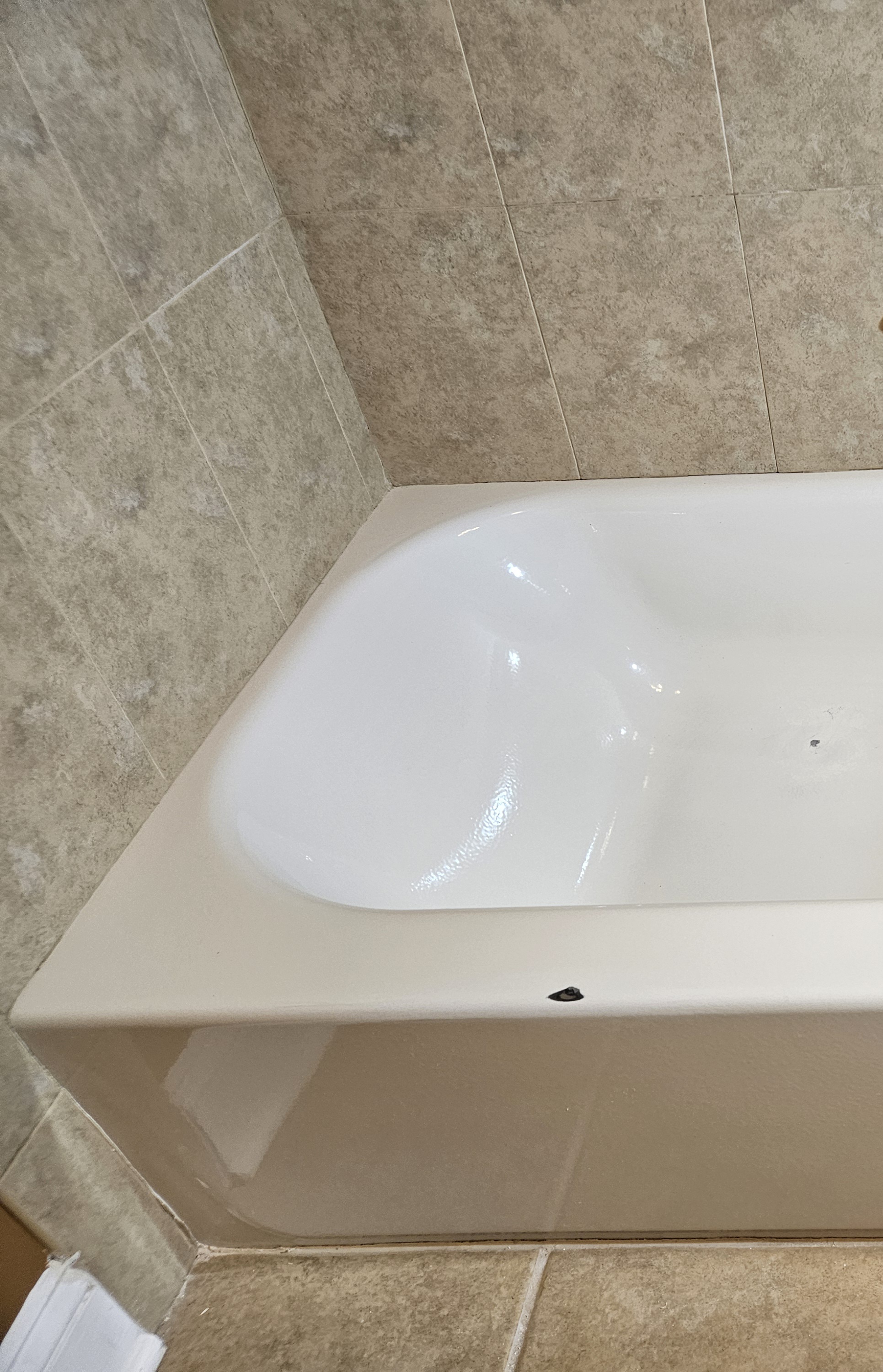
For a larger refresh, it can make sense to coordinate related surfaces. If the bathroom also has a worn tub or dated tile surround, ask GlossyTub Refinishing about bathtub and tiles refinishing as part of a broader update. Matching the finish level across several surfaces can make the room feel more complete.
Reglazing is also a lower-waste choice
Replacing a countertop sends the old material somewhere. Often, that means disposal. New materials also require manufacturing, transport, cutting, packaging, and installation waste. Reglazing does not remove the need for materials entirely, but it can reduce how much gets thrown away.
For homeowners who prefer to reuse what still works, reglazing is a practical form of renewal. The existing countertop remains in service, while the visible finish gets an upgrade. That can be a smart approach when the counter is structurally sound but cosmetically worn.
Care makes the finish last longer
A reglazed countertop should be treated with care, especially during the curing period. After that, simple habits can help protect the new surface.
Use mild, non-abrasive cleaners. Avoid scouring pads, harsh powders, and aggressive chemicals unless the refinisher says they are safe. Use cutting boards in kitchens instead of cutting directly on the counter. Place hot pans, curling irons, and heated tools on protective pads rather than directly on the surface.
Good daily habits include:
Wiping spills promptly
Using a soft cloth or sponge for cleaning
Keeping standing water away from seams and edges
Avoiding heavy impact from dropped objects
Following the care sheet provided after service
These steps are easy, but they matter. A renewed surface will look better for longer when it is cleaned and used the right way.
When reglazing makes the most sense
Countertop reglazing is a strong option when the surface looks worn but the basic structure is sound. It is especially useful when the goal is to refresh the room without changing the layout.
It may be a good fit when:
The countertop color or pattern feels outdated
The surface has light to moderate wear
Cabinets and fixtures are still in decent condition
Replacement would cost more than the project budget allows
The home needs a cleaner look before listing or renting
A bathroom or kitchen needs improvement without major downtime
It may not be the right choice when the countertop is badly water damaged, unstable, deeply cracked, or poorly supported. In those cases, a professional opinion is the safest starting point.
Get a free estimate from GlossyTub Refinishing
A countertop can change how a kitchen or bathroom feels, but replacing it is not the only path. Reglazing offers a smart way to update worn laminate, cultured marble, and other suitable surfaces while avoiding major demolition, long project delays, and the higher cost of full replacement.
For many homes, the best remodel is the one that solves the visible problem without creating a bigger one. GlossyTub Refinishing can review the surface, explain the options, and help decide whether reglazing is the right solution.
Call 7325952608 for a free estimate from GlossyTub Refinishing. A fresher kitchen or bathroom may be closer, simpler, and more affordable than a full tear-out.
Comments